Stroke rehabilitation physiotherapy in Lahore
Falij ke baad ki physiotherapy
Most families arrive having been discharged from hospital with the medical side handled and no plan at all for the movement side. That gap is what stroke rehabilitation is, and it is the commonest reason this clinic gets called out to a house. It should start as soon as the patient is stable enough to take part, and carry on after discharge.
- First assessment
- Rs 2,500 Follow-up Rs 2,000
- Every session
- 40–45 min One-to-one with a doctor
- At home
- Rs 3,000 Same fee across Lahore
- Referral
- Not needed Book directly
Is this you
Where families usually are when they call
- Weakness down one side of the body
- An arm or a hand that will not do what it used to
- Losing balance, or not trusting yourself to walk without holding on
- Muscles that have gone tight and pull a limb into one position
- A joint that has started to stiffen and will not straighten fully
- Needing help to get out of a chair, or in and out of bed
- The ordinary business of the day getting harder rather than easier
- Getting to a clinic being the hardest part of the whole week
What we work on
- Movement and strength
- Control and power on the affected side, worked on directly. Everything else on this list gets easier as this improves, which is why it is first.
- Balance and walking
- Usually the first thing families notice and the thing that decides how much independence comes back. Practised standing, turning, and on the surfaces the patient actually has to manage.
- Arm and hand function
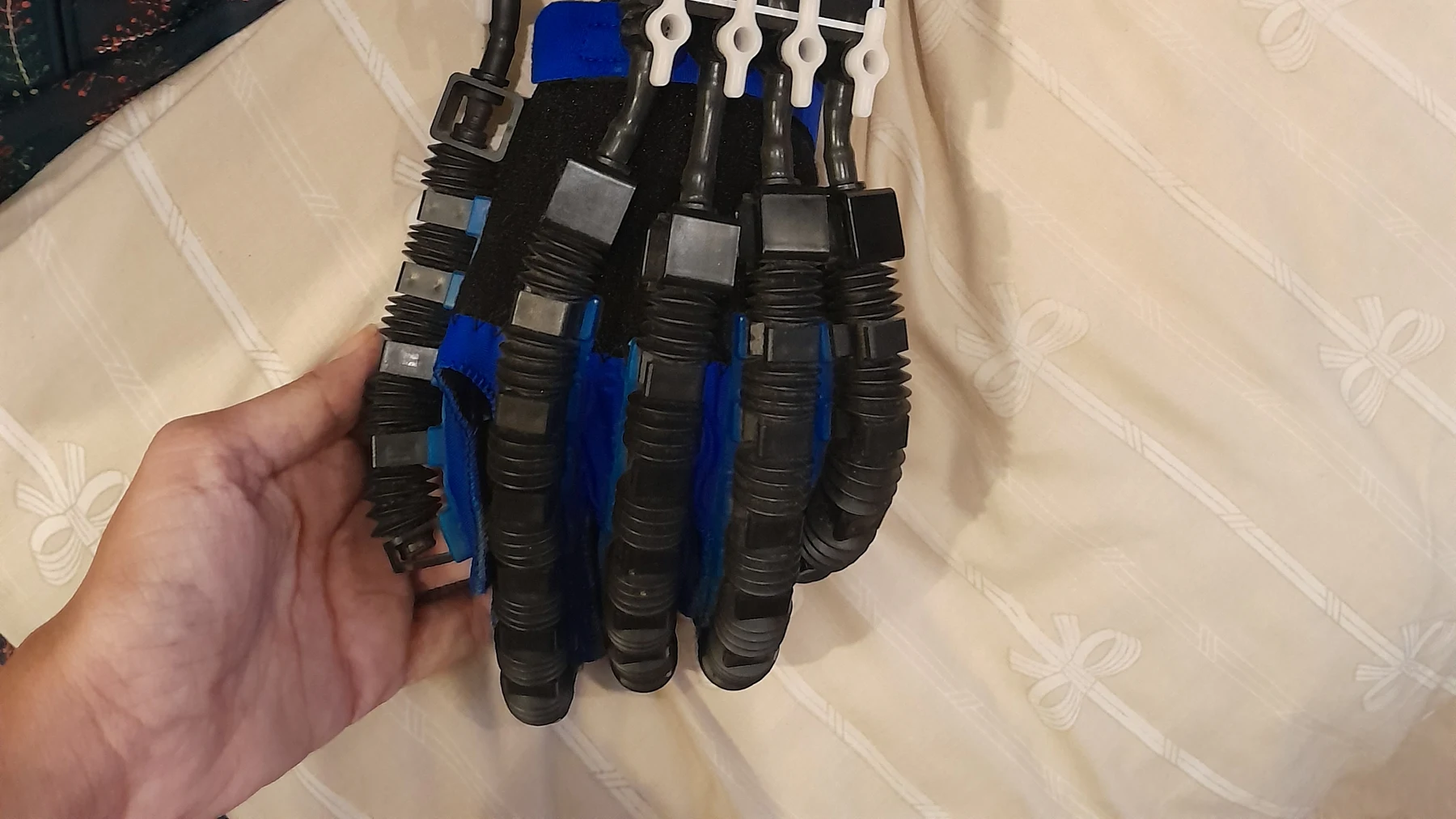
- Often the slowest to return and the easiest to give up on. Graded work on grip, release and reach, using the arm in real tasks rather than only in exercises.
- Muscle tightness and joint stiffness
- Spasticity is muscle that has gone tight and resists being moved, pulling a limb into one position; left alone it becomes a contracture, a joint that no longer straightens at all. Stretching and positioning are aimed straight at this, and preventing it is far easier than undoing it.
- Getting in and out of bed or a chair
- Transfers. Unglamorous, and the ability that decides whether somebody can be looked after at home — practised as the actual movement, on the actual furniture.
- Independence in daily life
- The point of all of the above. As much safe, practical independence in the ordinary business of the day as the patient can get back to.
You do not need to work out which of these it is before you come. That is what the first assessment is for.
How it works
What actually happens, in order.
What the patient can do today
The assessment is about current ability, not the diagnosis on the discharge letter. Sitting, standing, transferring, what the arm will do — measured now so there is something to compare against later.
Movement, strength and keeping joints moving
Building strength and range of movement, plus how to position the limb between sessions. This is the part that protects against contractures, and it starts on day one rather than once a joint has already stiffened.
Balance, transfers and walking
Sitting to standing, bed to chair, and walking with whatever support is needed at the time. On a home visit this is practised in the actual rooms the patient has to get around every day.
The family is taught what to do
Simple, safe ways to help the patient move, shown to whoever is there all week. They are with the patient every day; we are there for an hour, and pretending otherwise helps nobody. Consistent practice between visits is most of the reason rehabilitation works.
A new stroke is an emergency, not an appointment.
Go to a hospital now — do not call us first — if any of these are new:
- The face has dropped on one side
- An arm or a leg has suddenly gone weak or numb
- Speech has become slurred, or the words will not come
- Sudden loss or blurring of vision
- A sudden, severe headache unlike any before
- A calf that is hot, swollen and painful
- Chest pain, or new breathlessness
- New confusion, or unusual drowsiness
Who will treat you
Both doctors treat this.
Whichever time suits you, you see a Doctor of Physical Therapy who treats this — not an assistant. The clinic is open Mon–Sat 1:00 PM – 10:00 PM · Friday from 3:00 PM.
Dr. Maryam Tanveer
DPT, MPhil · Certified Manual Therapist
Dr. Mehwish Warraich
DPT · Certified Manual Therapist and Chiropractor
Questions
Before you book.
How soon after a stroke should rehabilitation start?
As soon as the patient is medically stable and well enough to take part safely, and the discharging doctor is happy for it to begin — ask them, then call us. The early weeks are when joints stiffen, and that is much easier to prevent than to undo afterwards.
Can you come to the house?
Yes. A home visit is Rs 3,000, and it is the same fee anywhere in Lahore — not only the phases next to the clinic. Stroke is the commonest reason we are called out. Early work is balance, transfers and getting an arm going again, and all of it is better practised in the rooms the patient has to manage than in a clinic they were carried to.
Will they walk again?
Nobody can tell you that at the start, and be careful of anyone who says they can. What we can tell you after the first assessment is what we are going to work on first and what we would expect to see change in the early weeks.
How many sessions will it take?
It depends on how severe the stroke was, what the patient can do now, and how they respond in the first few weeks. It is not the 5–7 sessions a course of ordinary muscle and joint work runs to, and anyone who gives you a number before assessing the patient is guessing. We will tell you what we think after the first assessment, and review it as you go.
What does it cost?
The first assessment is Rs 2,500 and every session after it is Rs 2,000. Sessions run 40–45 min, one-to-one with a doctor. Ultrasound, TENS and the rest of the equipment are not charged on top.
Book
Leave your number and we will call you.
Or call 0327 4349159 directly — we are open Mon–Sat 1:00 PM – 10:00 PM · Friday from 3:00 PM.
Also treated here
Other specialist care.
Women's health physiotherapy
Pelvic floor muscle strengthening, poor core strength, urinary incontinence, and pain and stiffness in the lower back after a C-section. Treated by a female physiotherapist, in a private treatment room.
Explore women's health →Children & cerebral palsy
Paediatric physiotherapy for delayed motor development, slow milestones, poor fine motor skills and children with cerebral palsy. Sessions are built around what the child can manage.
Explore paediatric care →Everyday aches and injuries
Knee Pain, Lower Back Pain, Sciatica, Frozen Shoulder and the rest of the work both doctors do every week.
All conditions →